
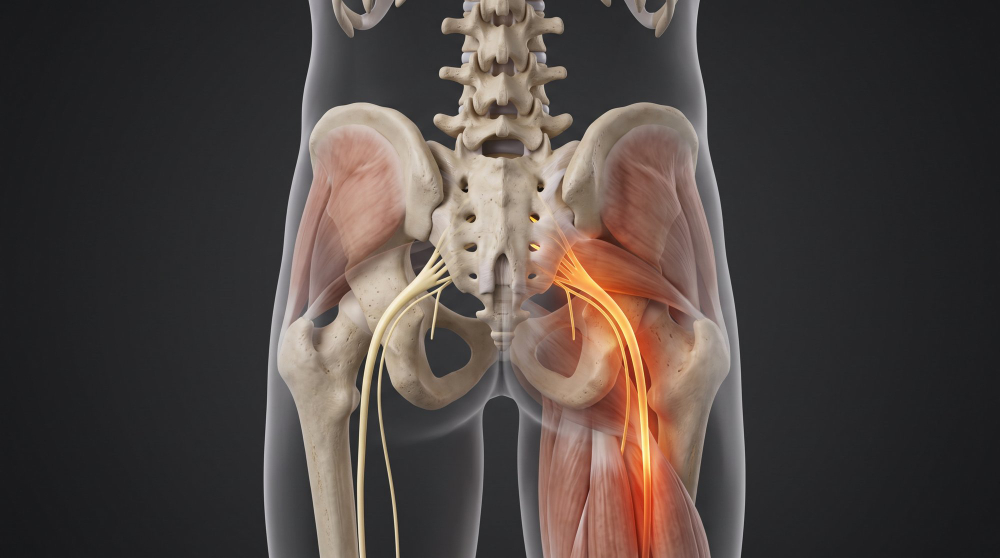
What is Sciatica?
Sciatica is a common condition that affects many people. It happens when the sciatic nerve, which runs from your lower back down each leg, becomes irritated or pressed. As a result, you may feel pain, tingling, or numbness along the nerve. Sciatica can make daily activities harder. However, most people recover with proper care. According to the World Health Organization, back pain, including sciatica, is a leading cause of disability worldwide.
Common Symptoms of Sciatica
People with sciatica often notice pain that starts in the lower back and travels down the leg. Sometimes, the pain can be sharp or feel like a burning sensation. In addition, you might feel tingling, numbness, or weakness in the leg or foot. Usually, symptoms affect only one side of the body. However, the pain can range from mild to severe. For example, it may get worse when you sit, cough, or sneeze. Some common sciatica symptoms include:
Causes and Risk Factors
Many things can cause sciatica. Most often, a herniated disc in the lower back presses on the sciatic nerve. Sometimes, bone spurs or narrowing of the spine (called spinal stenosis) can also lead to sciatica. In rare cases, injury or tumors may be the cause. There are several risk factors that make sciatica more likely. For instance, age, being overweight, or sitting for long periods can increase your risk. In addition, jobs that require heavy lifting or twisting may also raise the chance of developing sciatica. Common causes and risk factors include:
How Sciatica is Diagnosed
Doctors use several steps to diagnose sciatica. First, they ask about your symptoms and medical history. Next, they perform a physical exam to check your strength, reflexes, and pain areas. Sometimes, doctors may order imaging tests. For example, an MRI or CT scan can help find the cause of nerve pressure. X-rays can also show bone changes. However, not everyone needs these tests. In many cases, doctors can diagnose sciatica based on your symptoms and exam alone.
Treatment Options for Sciatica
There are many ways to treat sciatica. Most people start with simple steps at home. For instance, rest, gentle stretches, and over-the-counter pain medicine can help. Applying heat or cold packs may also ease pain. If symptoms last or get worse, doctors may suggest physical therapy. In some cases, prescription medicine or steroid injections can reduce swelling and pain. Rarely, surgery is needed if other treatments do not work. Common sciatica treatment options include:
Lifestyle Tips and Prevention
Although not all cases of sciatica can be prevented, some lifestyle changes may lower your risk. For example, regular exercise helps keep your back strong. In addition, maintaining a healthy weight can reduce pressure on your spine. When lifting objects, always use your legs and keep your back straight. Moreover, try not to sit for long periods. If you work at a desk, take breaks to stand and stretch. Here are some helpful tips for sciatica prevention:
Consult Dr. Syed Jani now